
 10
Feb, 2026
10
Feb, 2026
Across Australian agriculture, labour shortages are no longer cyclical or isolated. What was once a short-term or seasonal challenge has become a long-term, systemic constraint on growth, productivity and resilience across the sector.
From seasonal and entry-level roles through to skilled operators, technicians and executive leadership, workforce constraints continue to be the single greatest limiter of growth, productivity and resilience across the sector. Industry bodies including the National Farmers’ Federation and data from the Australian Bureau of Statistics consistently highlight labour availability as agriculture’s most pressing challenge, with flow-on impacts across food security, export competitiveness and regional economies.
These shortages are already dragging down productivity, inflating operating costs and placing enormous strain on farm owners, managers and regional businesses. And while long-term solutions require coordinated action from government, industry and education providers, there is often an overlooked contributor to the challenge – how Australian agriculture is marketed!
This is where agribusiness marketing agencies have a pivotal role to play.
Traditionally, labour shortages are discussed through the lenses of migration policy, visa access, education pipelines and regional infrastructure. Each of these components play a critical role. But marketing sits upstream of all of them, shaping perception long before a skill gap is identified, a job ad is written or a course is selected.
Agricultural marketing directly influences:
- Who sees agriculture as a viable career
- Who feels welcomed, represented and inspired by the industry
- Who believes there is long-term opportunity, progression and purpose in regional work.
In short, marketing shapes the talent pool before recruitment even begins.
From our experience working with agribusinesses across the nation, there are two clear and especially relevant responsibilities marketing agencies carry in the current labour market:
- How individual agribusinesses market themselves as employers
- How the industry is collectively represented to future generations.
Both matter. Both are often underdone.
The reality of modern agriculture
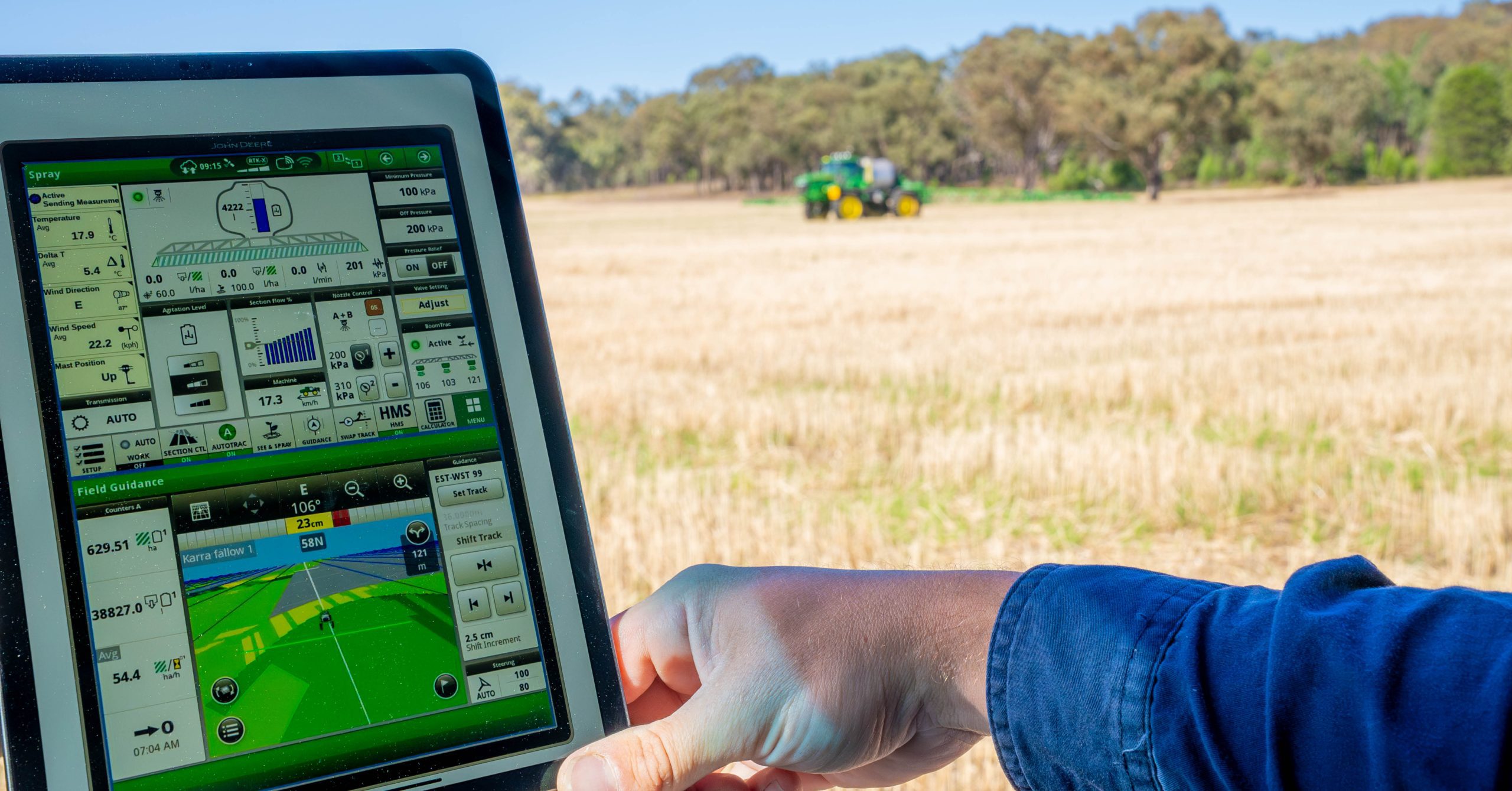
Every member of the Sketch Corp team can attest to this: when we visit client sites, particularly large-scale operations, the reality of modern agriculture is nothing short of impressive. These businesses are technologically sophisticated, commercially complex and operationally advanced. Precision ag platforms, real-time data and analytics, AI and robotics, livestock monitoring and eID systems, advanced logistics and seamless integration with global markets are all embedded in day-to-day operations. This technology stack isn’t a future ambition or even a competitive edge for a select few – it is the backbone of how contemporary agricultural businesses operate, scale and remain viable.
Yet this reality is rarely reflected in how agribusinesses, and the Australian agricultural sector more broadly, tell their story.
Ask many graduates or early-career professionals what working in agriculture looks like and the answer often bears little resemblance to what we see on the ground. There is a persistent disconnect between perception and reality, and marketing has played a role in sustaining it.
The cost of romanticising the industry
For decades, agricultural branding and marketing have leaned heavily into familiar, romantic narratives. Sun-bleached paddocks. Old windmills. Sun burnt shearing sheds. A lone farmer silhouetted against a setting sun. Teamed with language anchored in nostalgia, resilience and stoicism. These sentiments are not necessarily untrue, many are deeply embedded in Australian identity, but they are incomplete.
When romantic imagery and language become the dominant story, they inadvertently narrow down who feels agriculture is “for them”. They reinforce the idea that success in the sector requires a specific background, personality or lifestyle – often male, rural-born, physically tough and willing to sacrifice balance for duty.
At the same time, these narratives position agriculture as older, slower and rooted in a way of life that feels distant from the pace, technology and ambition shaping many modern careers. While this framing may honour tradition, it obscures the reality of a sector driven by innovation, data and global complexity. In doing so, it fails to compete for the future workforce agriculture urgently needs.
The younger generations are not leaving agriculture because they lack respect for it. They are leaving because other industries are clearer, louder and more contemporary in how they articulate opportunity, growth and relevance.
Brand, perception and the battle for talent
Agriculture is no longer competing solely with other rural employers. It is competing with mining & resources, technology, defence, finance, engineering, healthcare and professional services – industries and employers that invest heavily in branding, career storytelling and future-focused narratives. These industries:
- Show pathways, not just roles
- Highlight innovation, not just tradition
- Speak to purpose, progression and impact in contemporary language
- Reflect diversity in age, gender, background and skill sets
- Demonstrate scale, complexity and commercial sophistication.
Australian agriculture has all of these attributes. It simply hasn’t marketed them consistently.
Where marketing agencies can make a real difference
Agribusiness marketing agencies sit at a powerful intersection of strategy, storytelling and influence. Used well, marketing can support workforce outcomes in tangible ways.
This includes:
- Positioning agriculture as a future-facing industry, not a heritage one
- Building employer brands that go beyond job ads to articulate culture, opportunity and values
- Reframing agricultural careers to reflect technology, leadership, problem-solving and innovation
- Showcasing real people and real roles, not stereotypes
- Speaking directly to urban audiences, students and career-changers using language, platforms and storytelling they recognise and trust.
This is not about abandoning agriculture’s identity. It is about expanding it.
Telling a truer, broader story of agriculture
Australia’s agricultural sector is one of the most complex, global and technologically advanced industries in the country. It feeds and clothes millions domestically and internationally, underpins regional communities and sits at the centre of climate, sustainability and food security conversations worldwide.
Marketing that reflects this reality does more than sell products or services – it invites participation.
If we want young people to see agriculture as a place to build a meaningful career, then we must show them what that career genuinely looks like today, and where it can lead tomorrow. Labour shortages will not be solved by marketing alone. But without better marketing, they will be harder to solve.
At Sketch Corp, we believe telling a more accurate, contemporary and ambitious story of Australian agriculture is not just good branding – it is part of the solution.